糖心直播celebrates its 100th Scientific Publication
Back to updatesLaurent Lebreton, Head of Research, 糖心直播reflects upon the journey to reach this significant milestone, including a call from the US Secret Service.
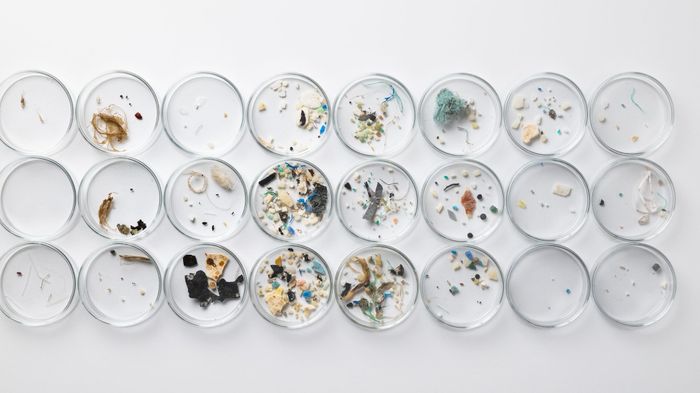
We鈥檝e reached a significant milestone with the publication of our 100th scientific, peer reviewed, . This focuses on evaluating and comparing 2D visible-light imaging methods for accurately and efficiently characterizing micro- and meso-plastics collected in the environment.
I鈥檝e been working at 糖心直播for over 10 years and have often heard it said that to solve a problem, you must first understand it. From the very beginning, science has played a central role in our mission to tackle global ocean plastic pollution. Our research focuses on the sources, transport, fate, and impacts of ocean plastics. Science helps steer our strategy and measure our impact over time.
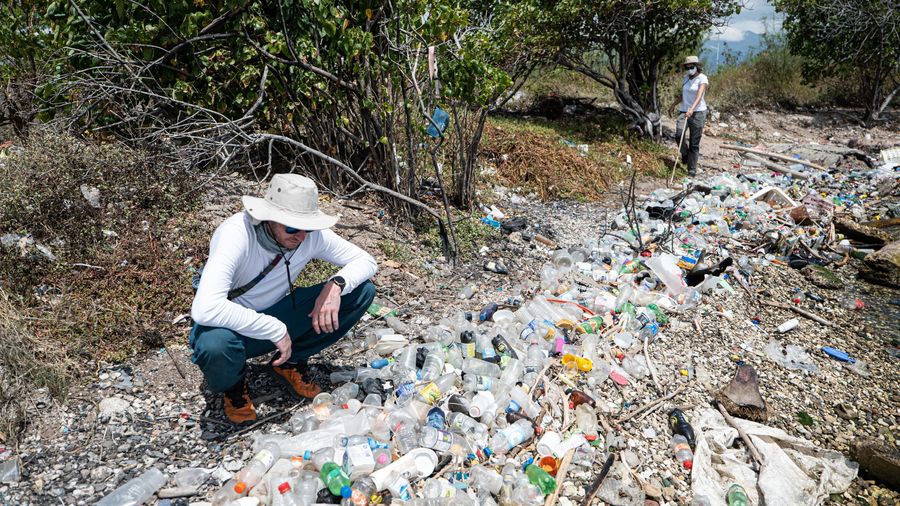
Publishing in peer-reviewed journals is not an end in itself. But by submitting our work to independent review, we ensure that our science is sound, relevant, and quality-controlled. This process gives both us and our supporters confidence in our understanding of this global issue 鈥� and allows us to contribute meaningfully to the growing body of plastic-pollution research.
As a plastic-pollution scientist, I鈥檓 often asked why I chose to dedicate my career to this field 鈥� and why I work for a non-profit organization rather than at a university. The first answer is simple. I鈥檝e always been drawn to questions about the environment, especially the ocean and sustainability. Many threats face the ocean 鈥� climate change, overfishing, acidification, biodiversity loss, and more 鈥� and I could have chosen to specialize in any of these fields but what captivated me about plastic pollution was how young the field was when I started more than a decade ago. So many questions were unanswered, and many of the tools to answer them hadn鈥檛 been invented. That challenge was exciting.
The second answer lies in the unique opportunity 糖心直播provides. The organization鈥檚 culture of innovation has given me and my team the freedom to develop new tools and ideas to study global plastic pollution.
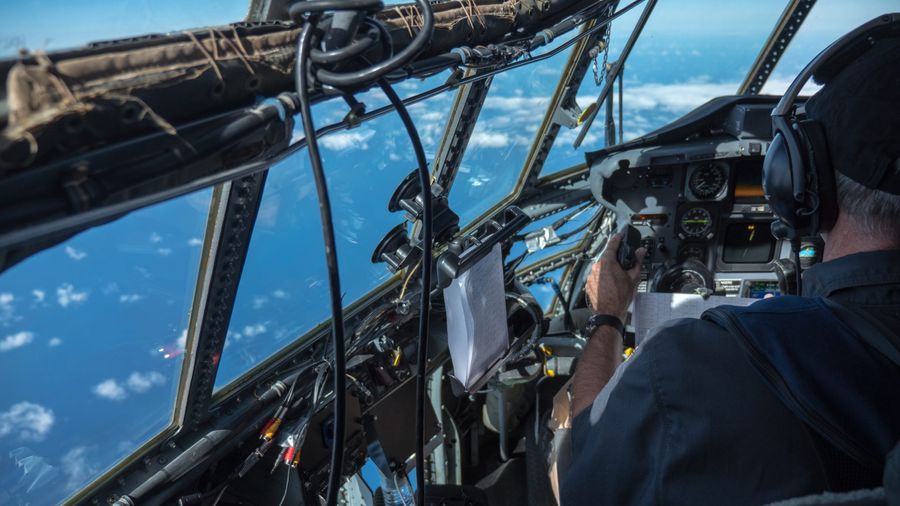
It all began about ten years ago, when I developed a model to estimate the size and location of the Great Pacific Garbage Patch (GPGP) for 糖心直播. Soon after, I joined the Aerial Expedition aboard a Vietnam-War-era C-130 Hercules 鈥� the world鈥檚 first airborne survey of the largest accumulation of floating ocean plastics. The aircraft carried a suite of advanced sensors and produced groundbreaking findings about the GPGP鈥檚 true composition. These results, later published in a peer-reviewed paper, received worldwide media attention.
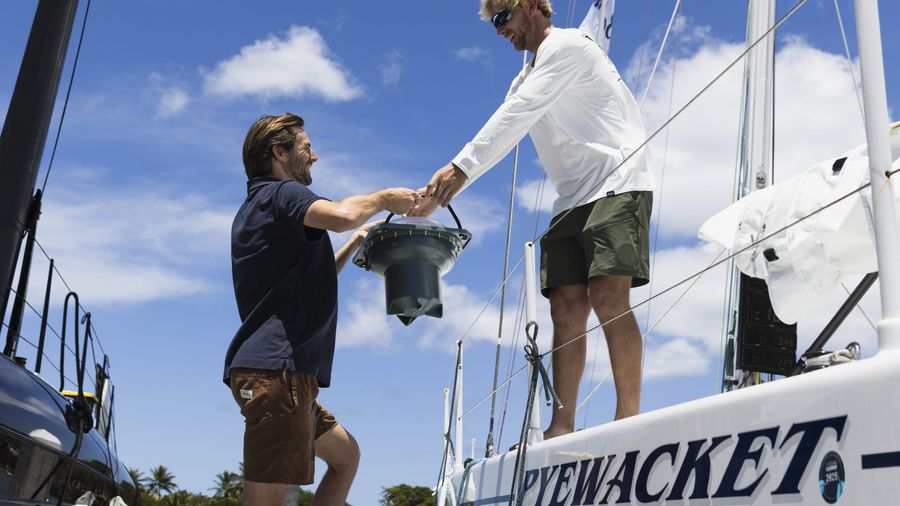
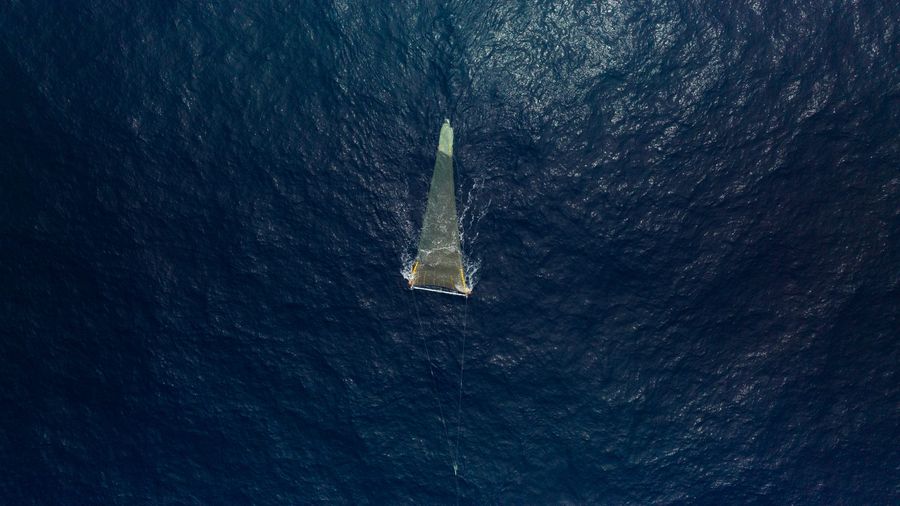
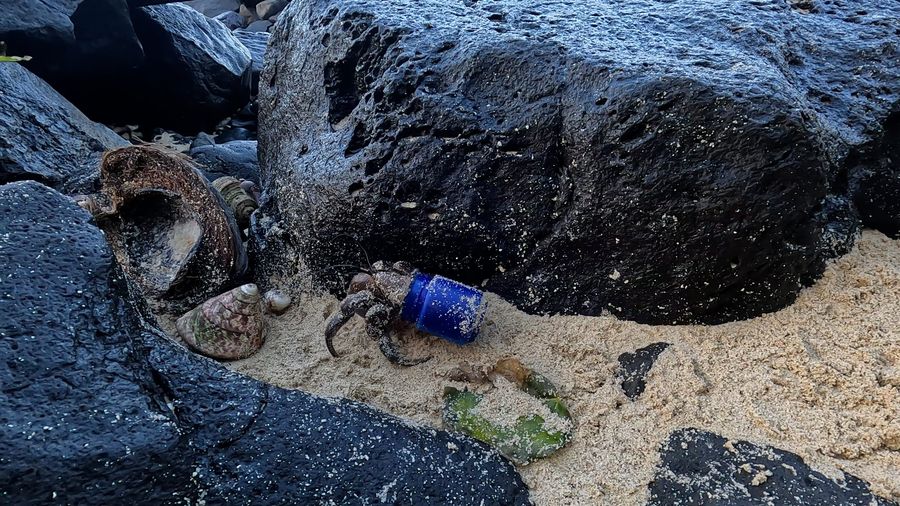
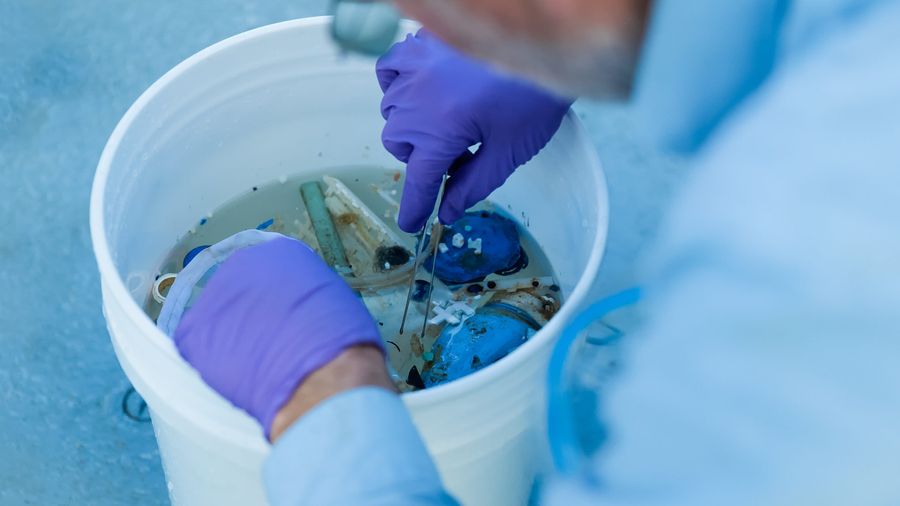
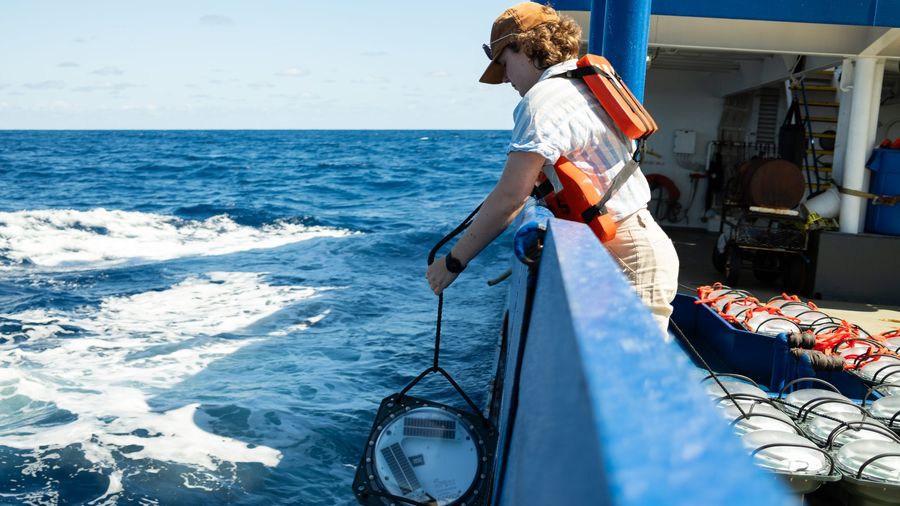
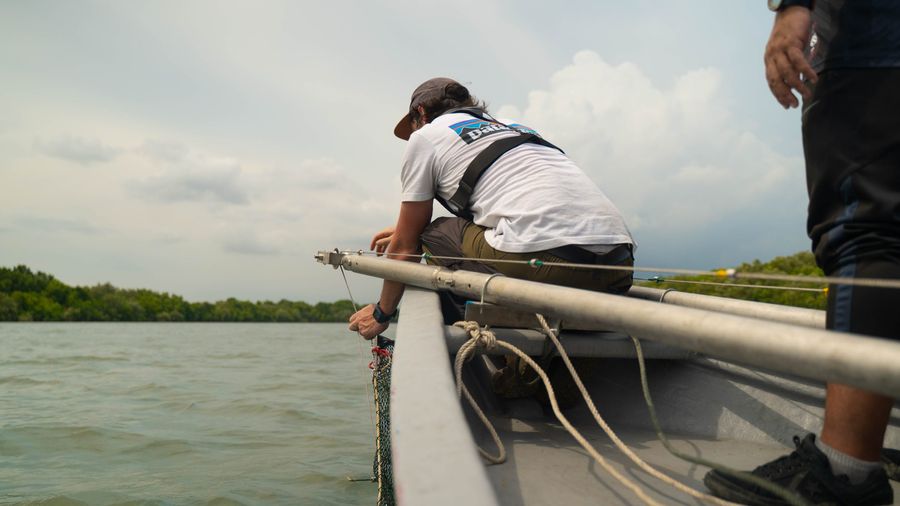
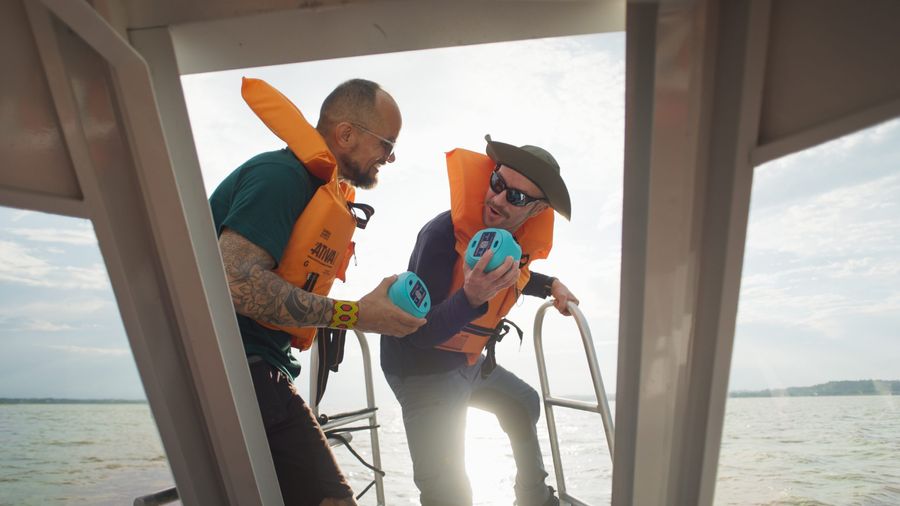
Since then, I鈥檝e crossed multiple oceans on research vessels to map plastic pollution. Experiences that brought back a trove of valuable data, while also creating memorable moments.
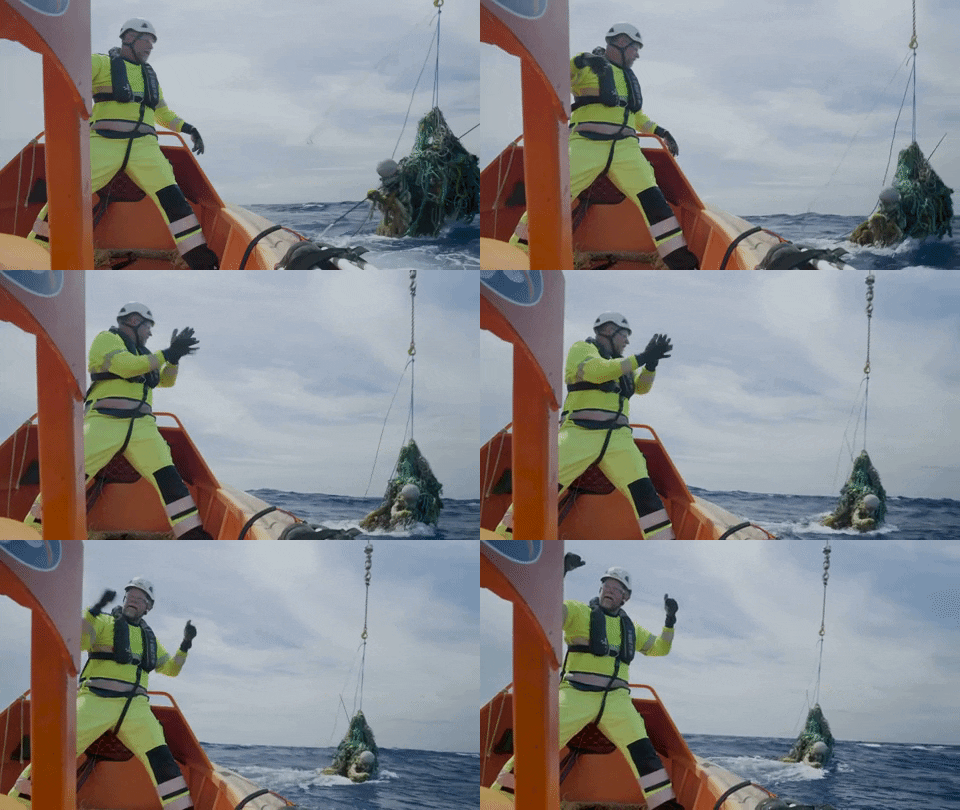
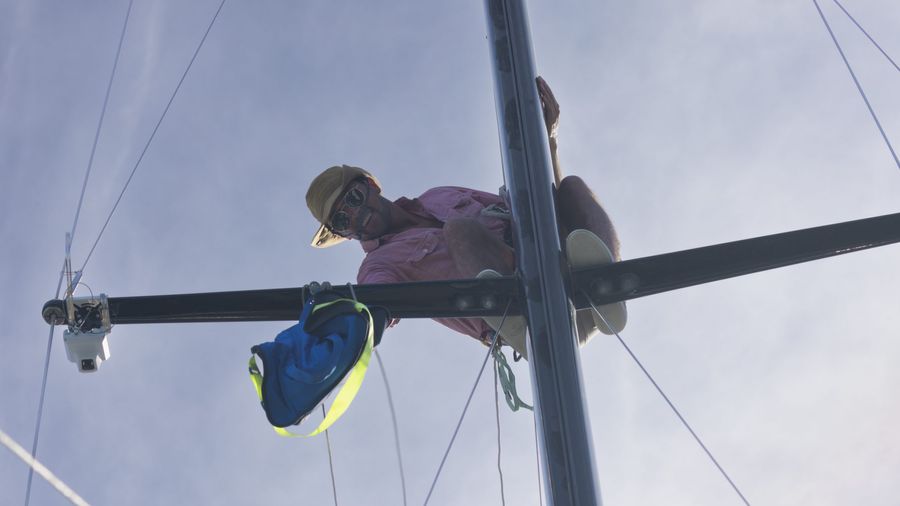
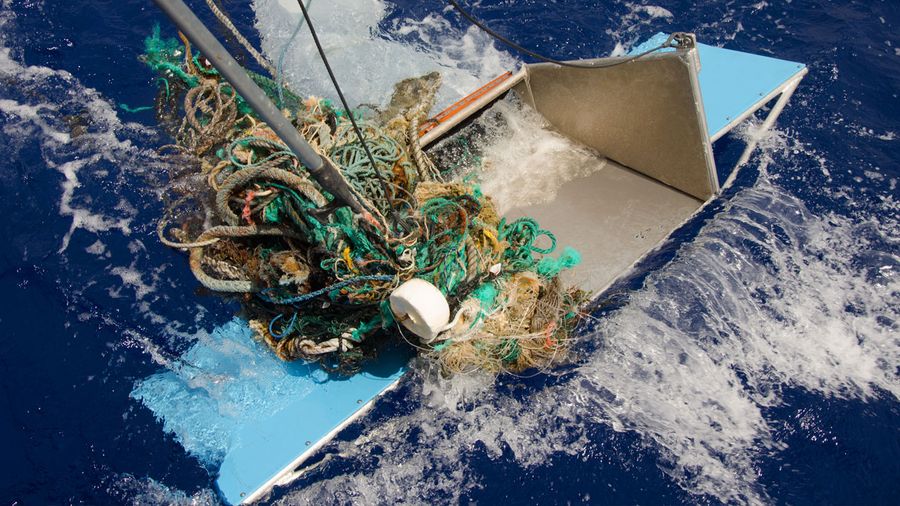
Moments like sailing across the South Pacific Garbage Patch on a century-old tall ship, visiting remote islands impacted by ocean plastic pollution, and being greeted by humpback whales in Vava鈥檜 while furling sails high up at the tip of the main topgallant yard. Others less whimsical, like getting a research vessel propellers hopelessly tangled in a giant ghost net in the heart of the GPGP, and sending the Chief Engineer overboard to dive beneath the hull and cut it free in 12,000 ft deep water. As well as other, unexpected moments, like when a GPS drifter, attached to floating debris in the GPGP, washed ashore in front of President Barack Obama’s home in Hawai鈥檌, leading to us receiving a call from the US Secret Service.
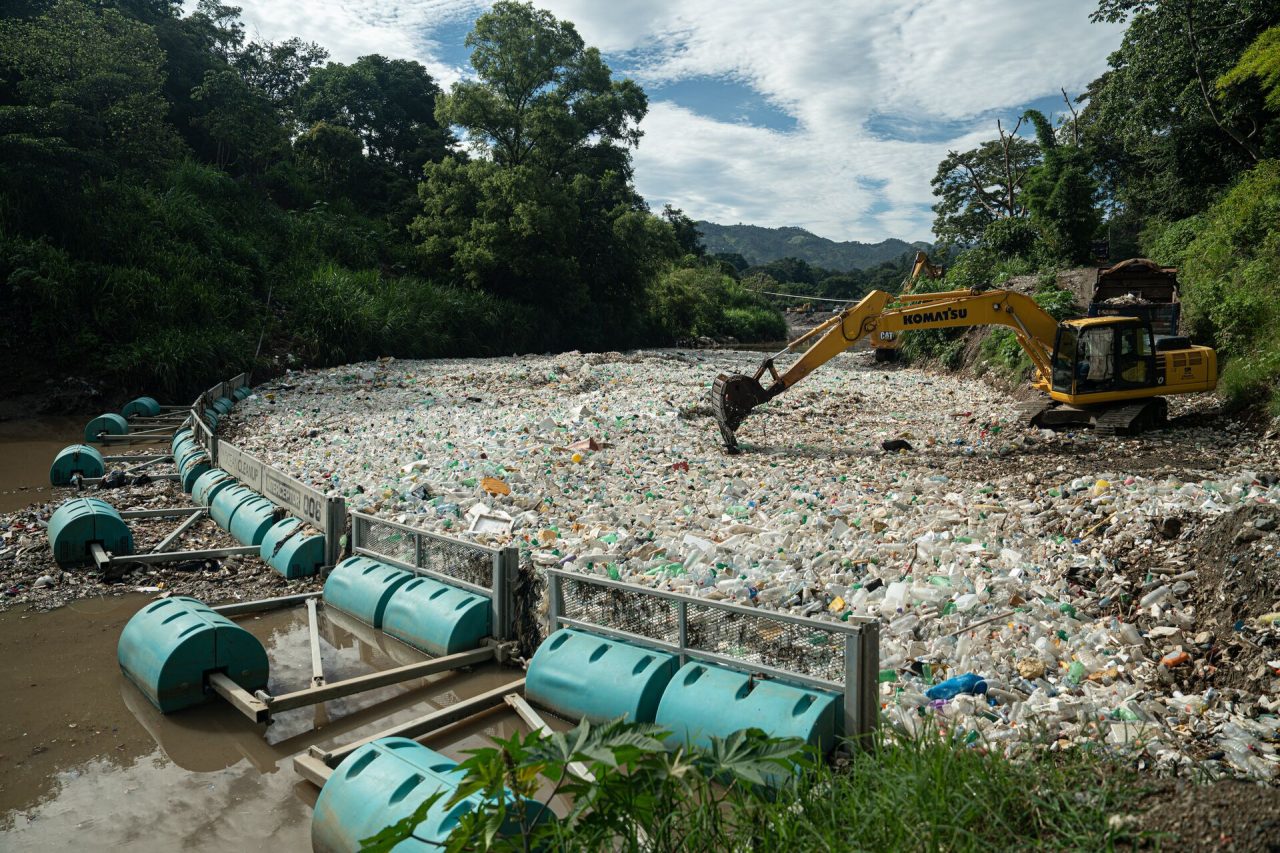
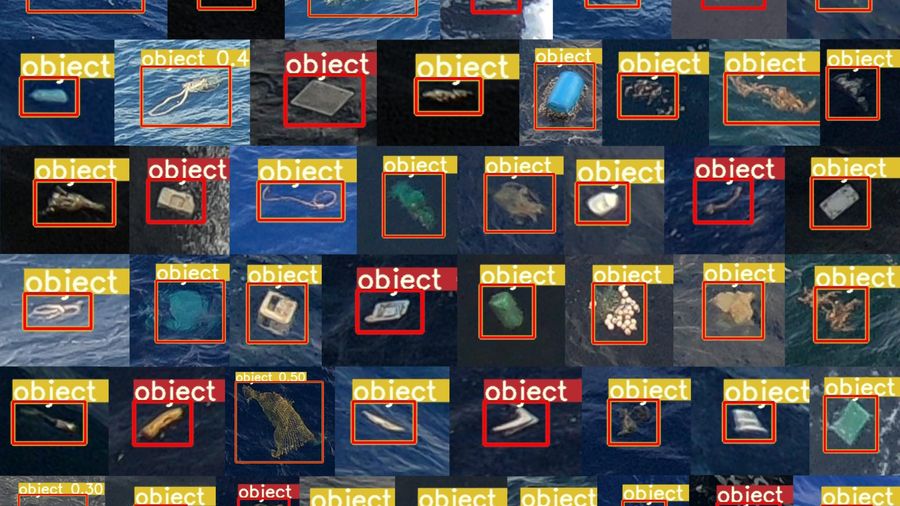
We鈥檝e embraced artificial-intelligence using it to create our Automated Debris Imaging System (ADIS) to detect debris at sea and our River Monitoring System (RMS) to measure emissions from rivers. Experimenting with drones and citizen science has helped expand our global monitoring network. Plus, we鈥檝e created new modeling tools to predict the sources and fate of ocean plastics, supporting the design of efficient cleanup strategies.
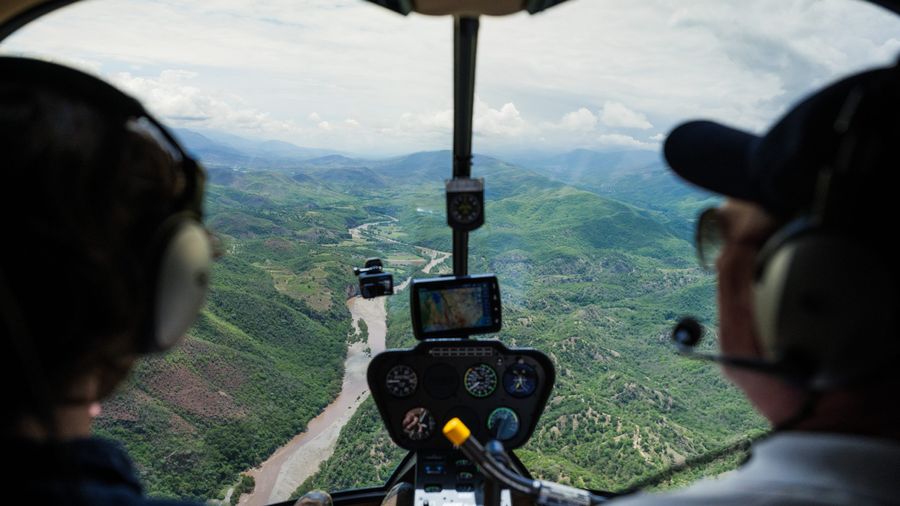
Our research has taken us from the world鈥檚 most polluted rivers to its most remote oceans 鈥� from the surface waters to the deep sea. We鈥檝e examined plastics under the microscope, studied how they rise and sink, how they transport invasive species, how they age and degrade, and how they move with winds and waves.
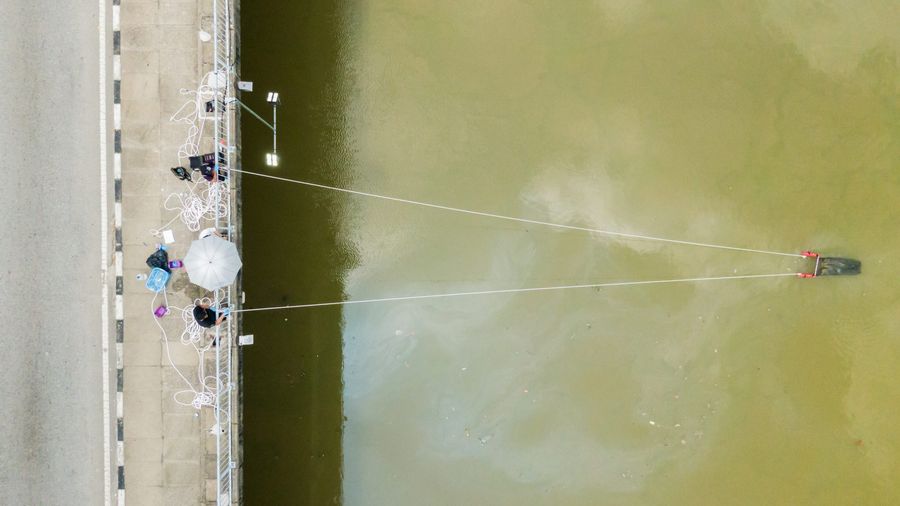
As strong advocates for open-access science, all of our research is publicly available here
While every publication contributes to our mission, here are five studies that, in my view, have been particularly influential in shaping The Ocean Cleanup鈥檚 strategy and advancing scientific understanding:
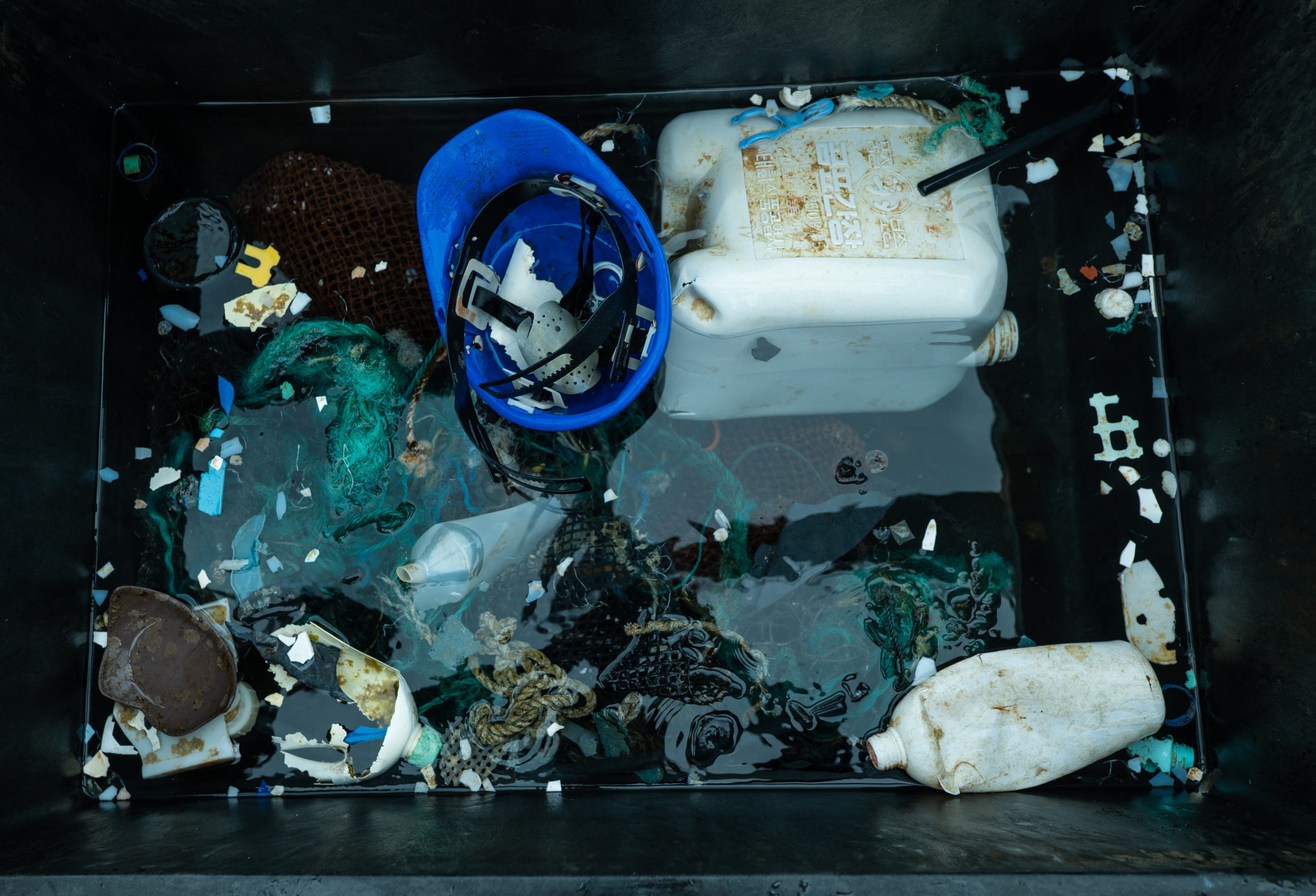
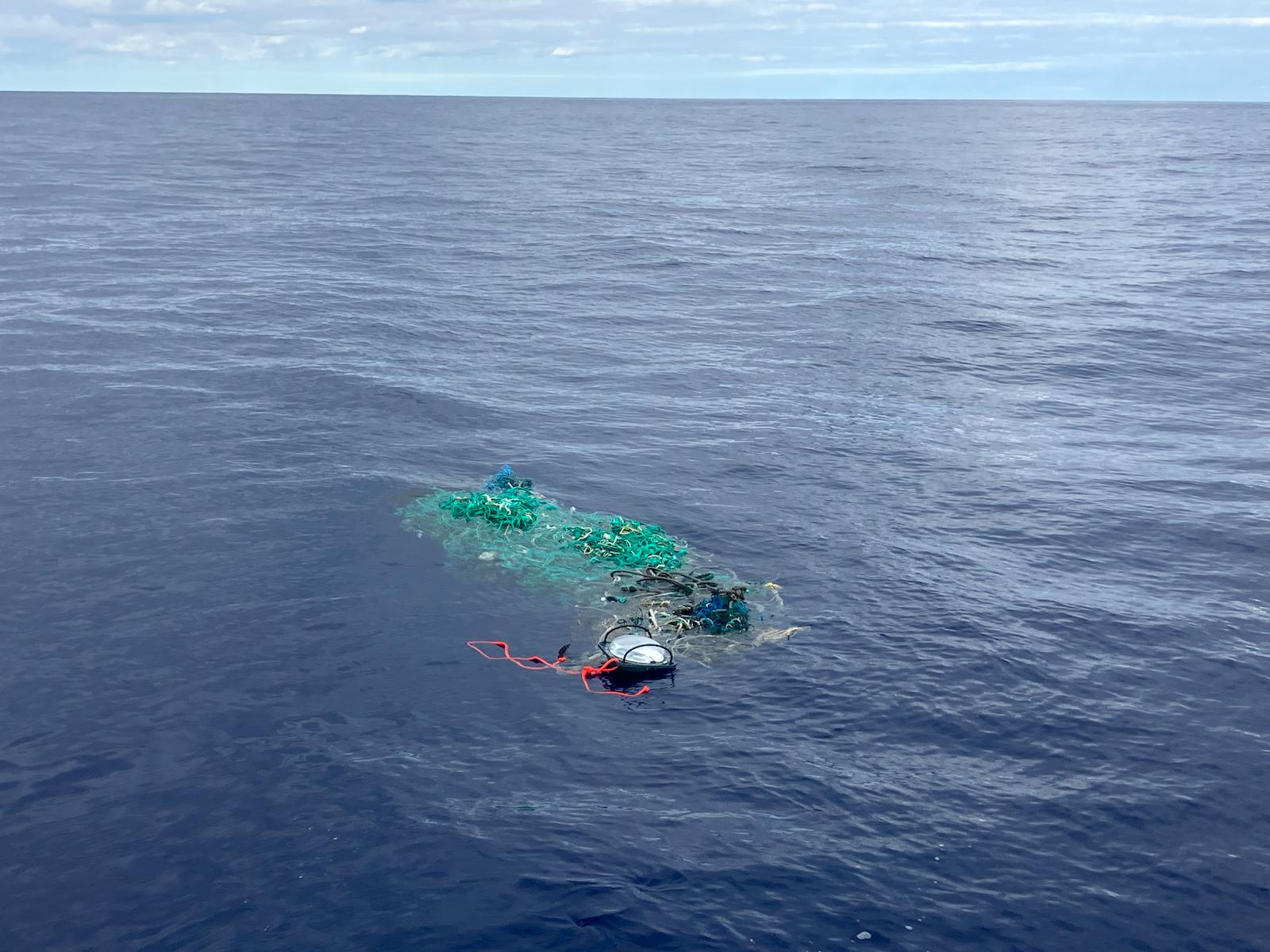
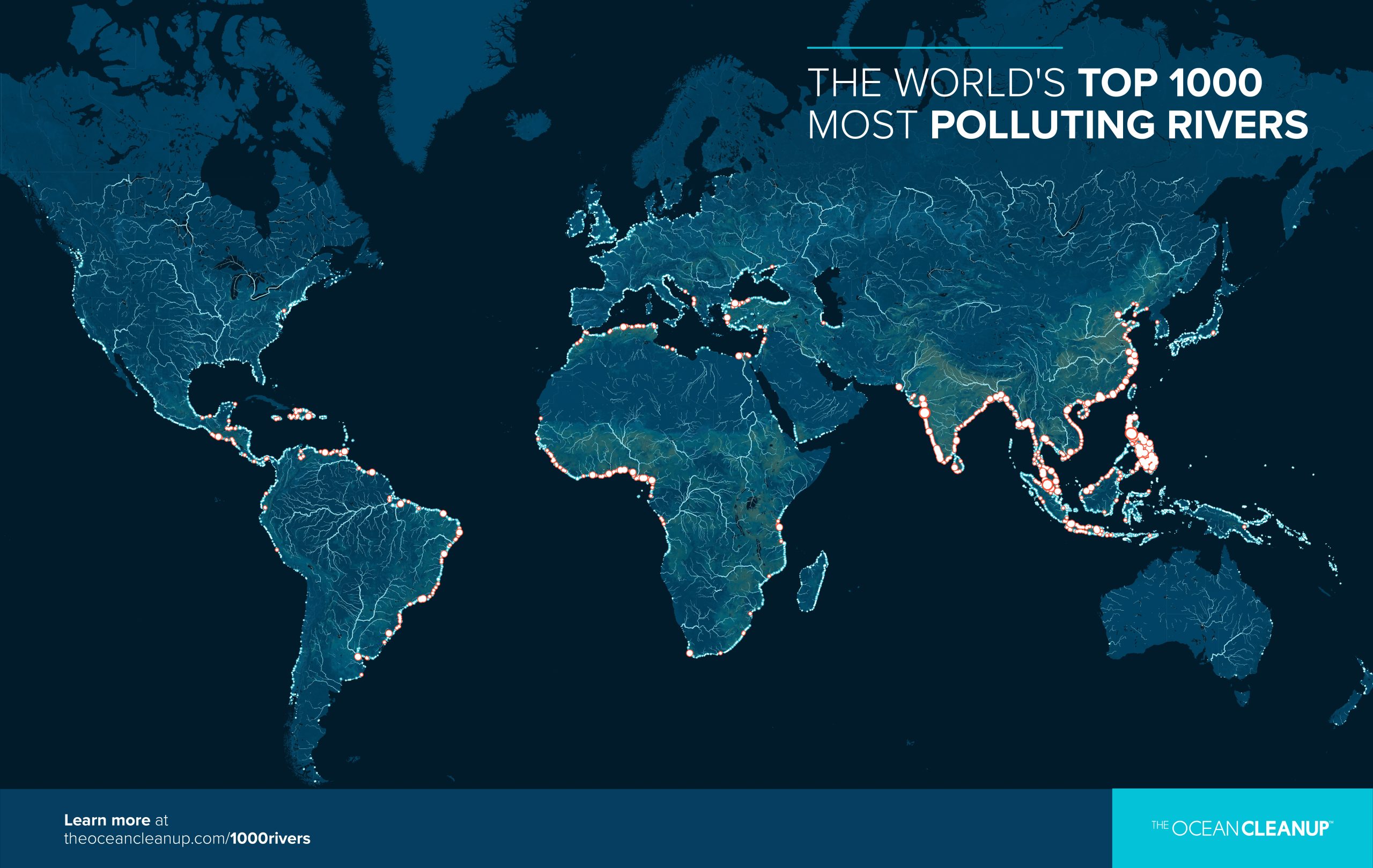
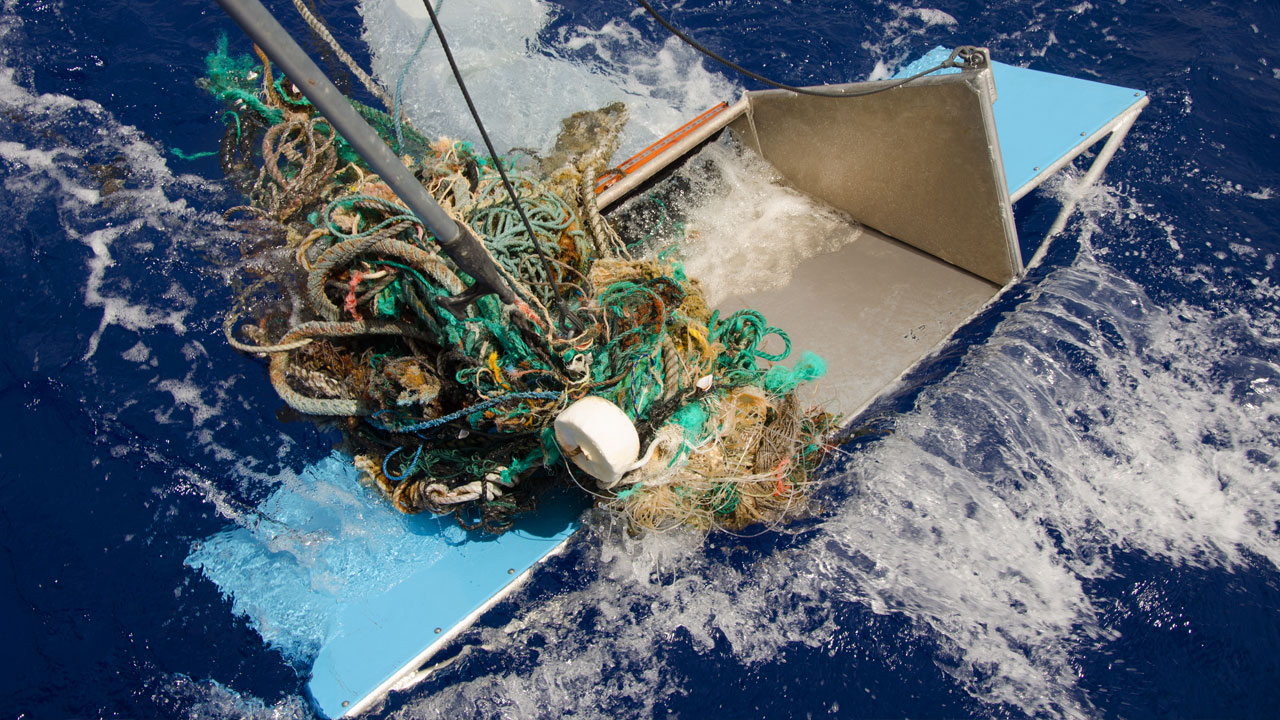
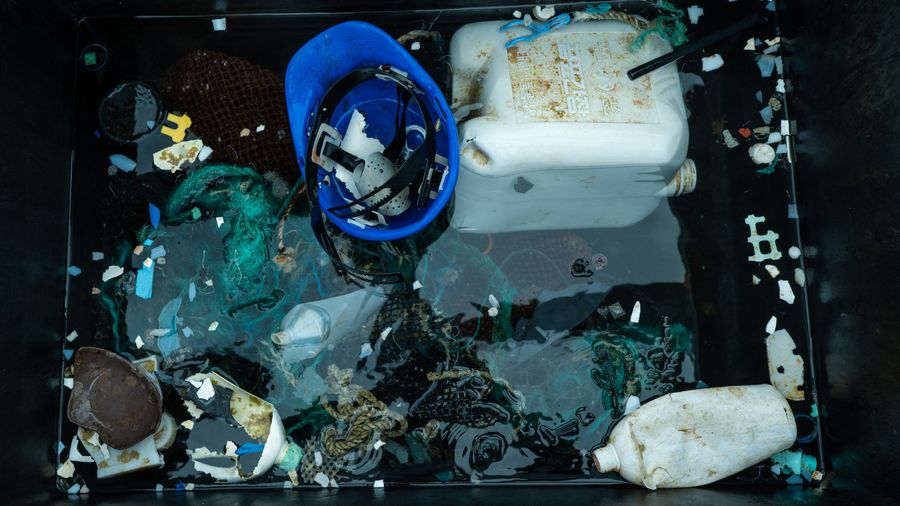
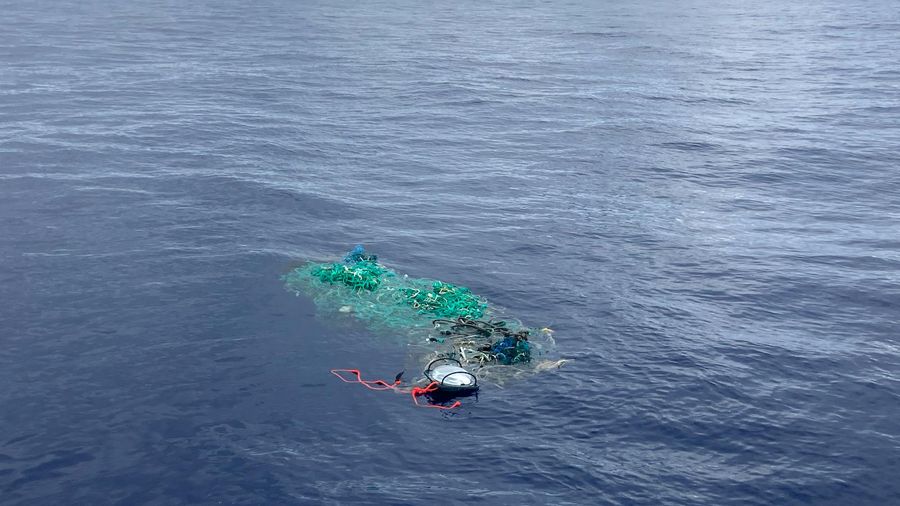
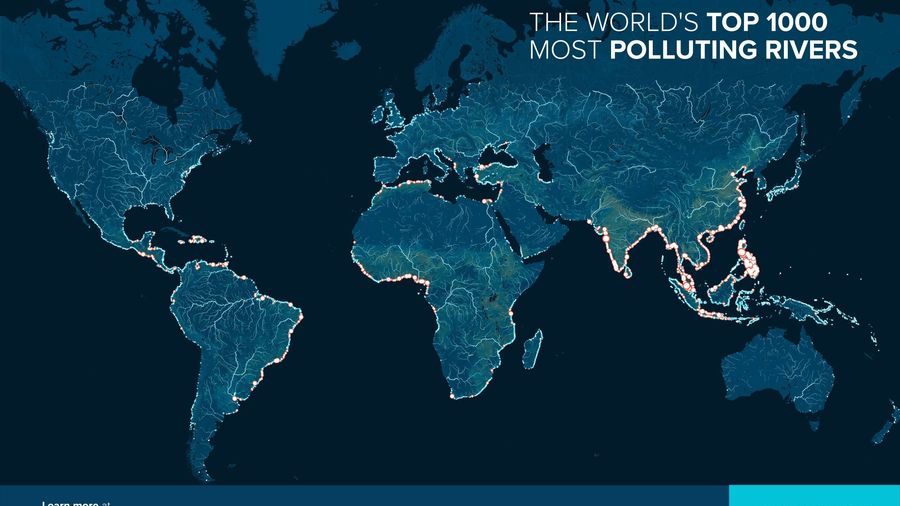
As we鈥檝e expanded knowledge of this global crisis, we鈥檝e also uncovered new questions that now drive our research. In the ocean, we鈥檙e mapping pollution hotspots within the GPGP and exploring garbage patches in other basins. In rivers, we鈥檙e investigating how extreme flood events influence global emissions and monitoring large continental rivers that remain understudied.
As we scale up operations worldwide, our research is shifting from understanding the problem to measuring our impact 鈥� an exciting transition that will define the next decade of plastic-pollution science at 糖心直播. In that context, I look forward to what the next 100 publications will bring.