Behind the Scenes of the Pacific Data Expedition
Back to updatesThanksÌý³Ù´ÇÌýrepeatedÌýandÌýdedicated research missions, as well as a structured research program throughout our offshore cleanup operations, we have been able to grow a dataset spanning close to a decade and coveringÌýa significant proportion of the GreatÌýPacific Garbage Patch (GPGP)Ìý– giving us valuable information aboutÌýitsÌýsize, composition, movement, andÌýbehavior.Ìý
By Helen Wolter and PeterÌýPuskic
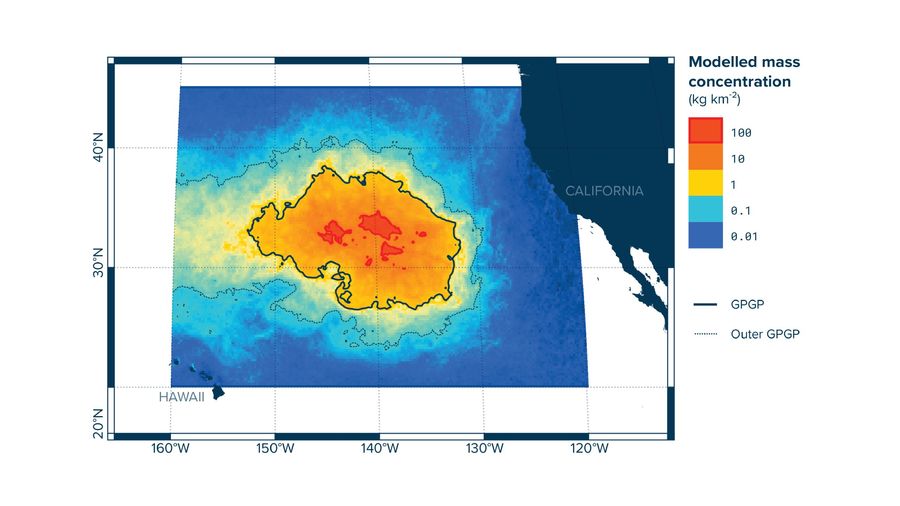
One thing that has become increasingly clear with the increase in data collection is that theÌýGPGPÌýhas beenÌýchangingÌýsize and locationÌýoverÌýtheÌýyears.ÌýÌýOur existing dataset on floating plastics in the area is extensive, yet not exhaustive, as our understanding of the origin, transport, and fate of this pollution is restricted to regions we have covered by boat.ÌýTo achieve greater coverage,Ìýwe neededÌýaÌýnewÌýdata expedition to the GPGP.Ìý
The Pacific Data Expedition
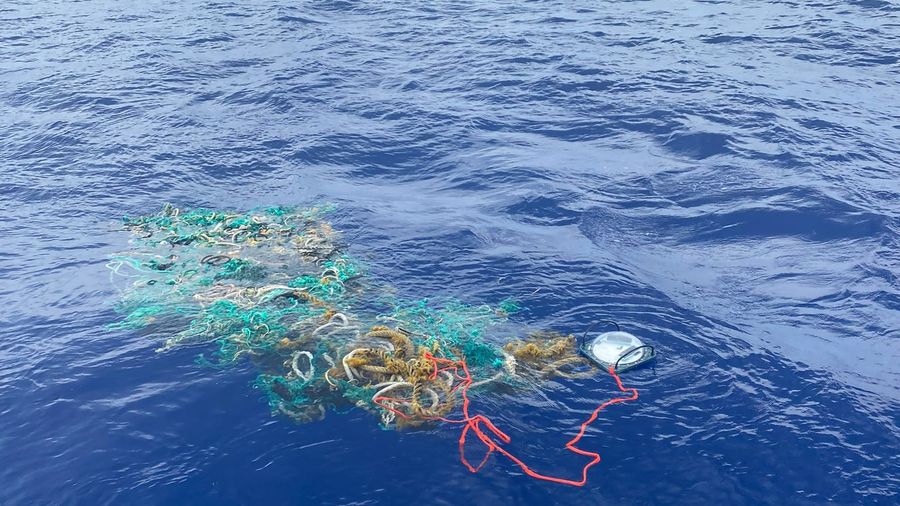
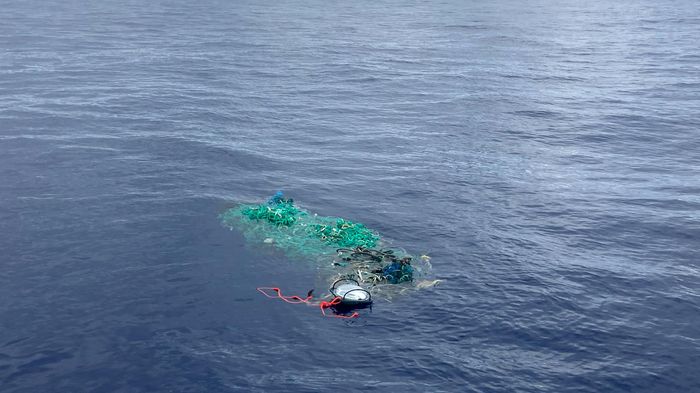
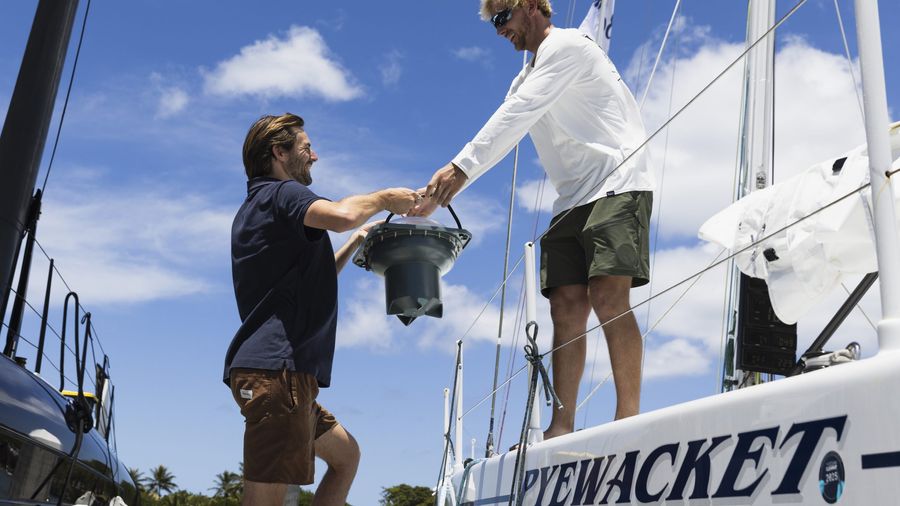
To support ourÌýdata-collectionÌýefforts,ÌýweÌýconnectedÌýwithÌýcitizen scientist sailorsÌýparticipatingÌýin theÌýTranspacific Yacht Race, sailing fromÌýLos AngelesÌýto HonoluluÌýwhoÌýhelped deployÌýGPS drifter buoys attached toÌýghostÌýnetsÌý–Ìýlarge tangles of abandoned, lost, or discarded fishing nets.ÌýThese tagged nets would continue floating, transforming, and accumulating, all while transmittingÌývaluableÌýdata on their location in the ocean and helping us create a map of their trajectories around the GPGP.ÌýÌý
We are incredibly grateful for the dedication of these sailors, thanks to whomÌý17Ìýghost nets were tagged, andÌý55Ìýdrifters tracking ocean currents were deployed.ÌýThisÌýwasÌýthe first part of our Pacific Data Expedition.ÌýToÌýbe confident in our predictions of where we would findÌýghostÌýnets, we needed to be sure that what our data was telling us was representative of the overall system.Ìý
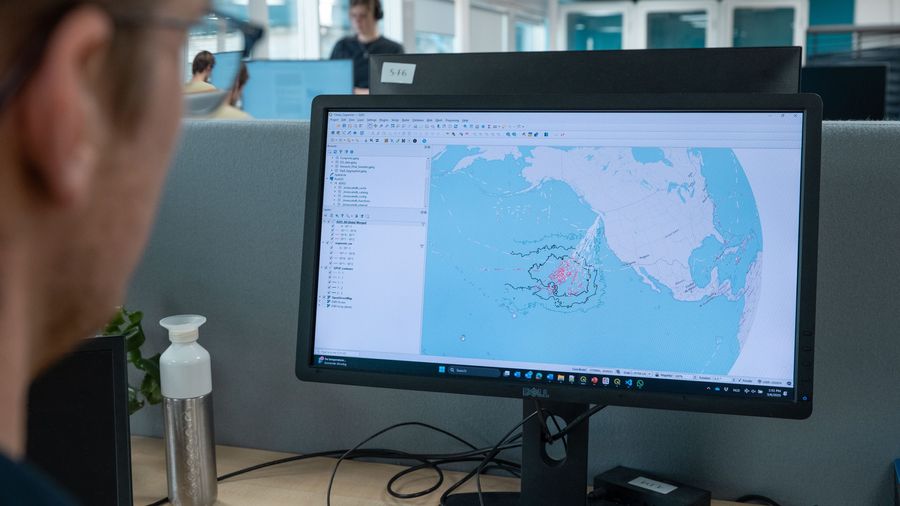
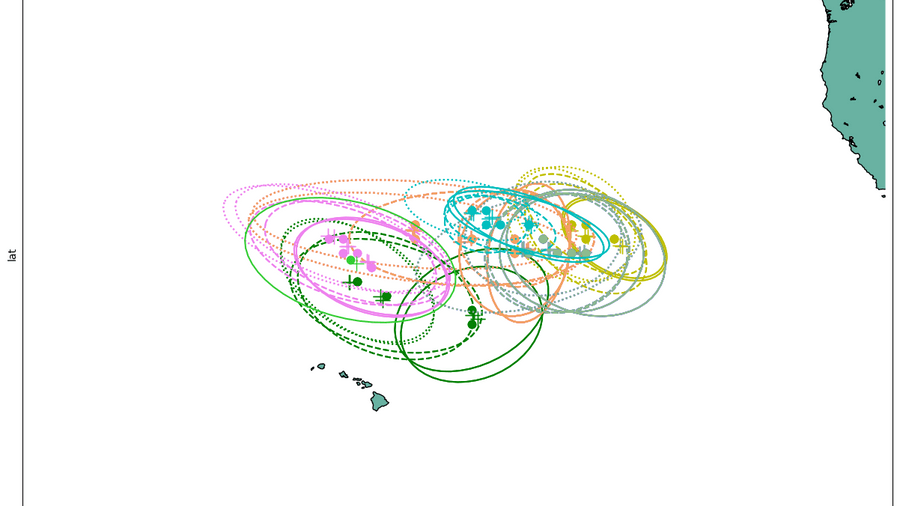
Using maps that were derived from multiple current circulation models of theÌýGPGP, we could see that we had covered a good portion of the Western side of the gyre; yet the area where the mapsÌýdivergedÌý(i.e., the current circulation models disagreed on where plastic was accumulating) was as of yet uncovered by our drifters.ÌýTo complementÌýour database andÌýthe work of theÌýTranspacÌýsailors,Ìýthe second part of ourÌýPacific Data ExpeditionÌýwouldÌýneed toÌýcover the Eastern section of theÌýGPGP.Ìý
This map visualizes the various models that predict the GPGP’s location, and is informed by oceanographic data (e.g., currents).ÌýThe movements ofÌýGPS driftersÌýwill help us to understand which model is mostÌýaccurate, while the tagged nets help us understand how nets move in relation to ocean currents and wind, as they differ from typical floating plastics like buoys or plastic crates.
Back in the Garbage PatchÌý
If we were going to sailÌýsixÌýdays from Hawaii into the open ocean, we needed to ensure that the equipment we were deploying would give us the data that can help answer our mission-critical questions. We chose to increase the number of drifters to deploy, to increase the resolution of our coverageÌý³Ù´ÇÌýget a better picture of the fine-scale processes affecting marine debris, and to ensure that the data was reliable.ÌýÌý
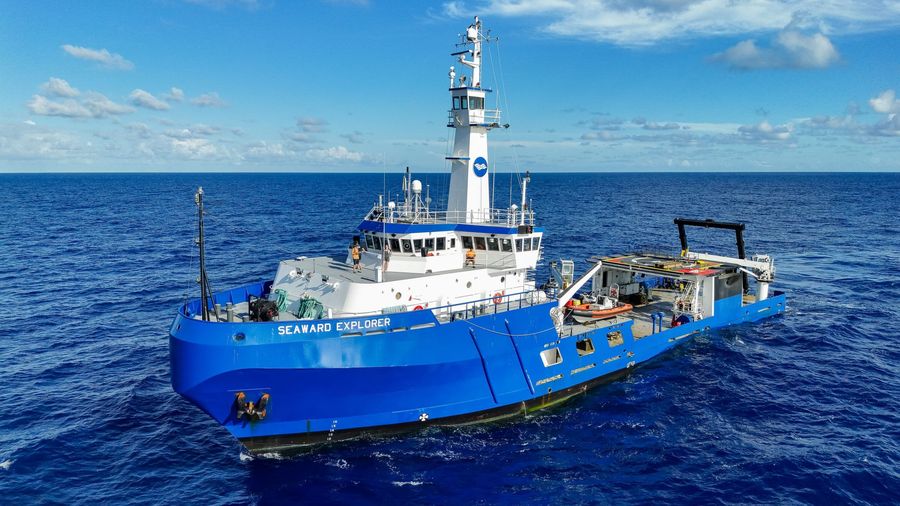
Aside from deploying the free-floating drifters, we wanted to take advantage of the high vantage point offered by a more traditional research vessel. We couldÌýnotÌýask our citizen scientists to stand atop their masts, scouring the sea surface for nets to tag, but with our own chartered ship,Ìýcrew, and a “tuna towerâ€� whose sole purpose is to provide a bird’s eye view on the ocean, our chances for spotting a net worth tagging dramatically increased.ÌýÌý
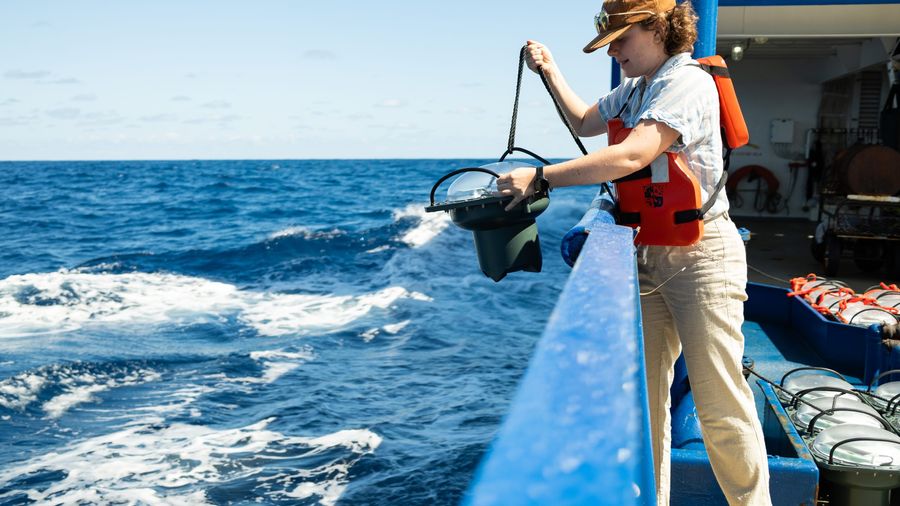
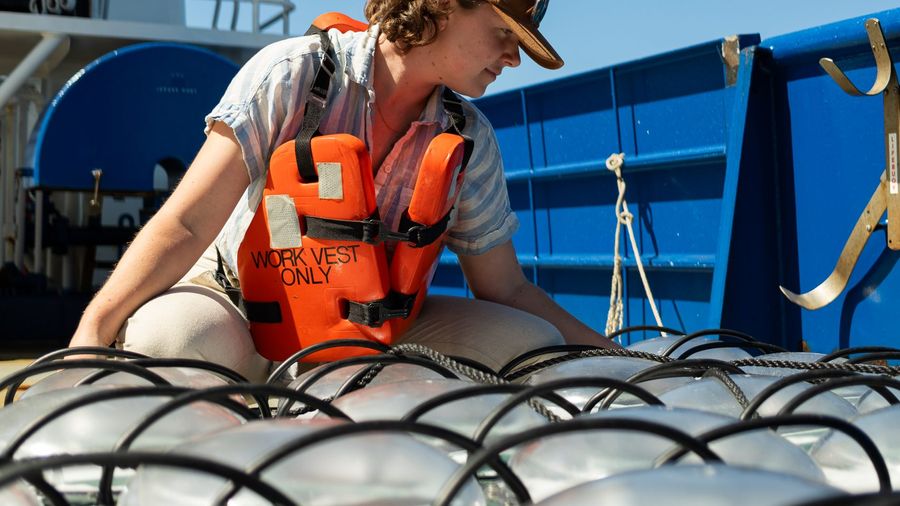
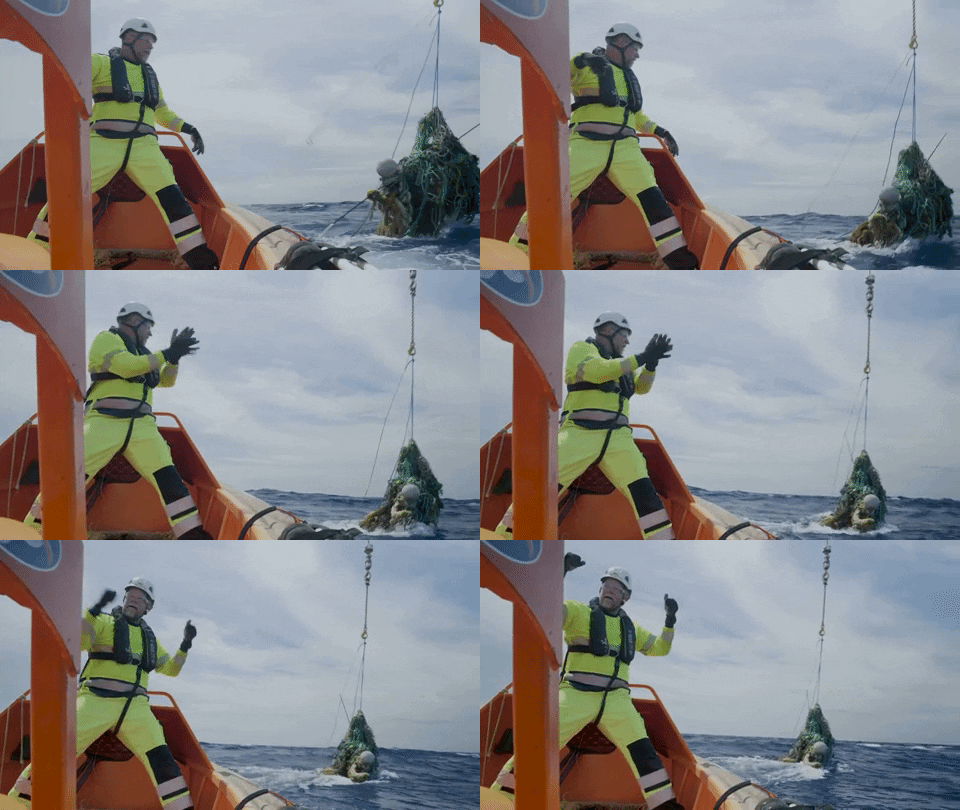
Armed with binoculars, radios and 144 of our trusted drifters, we headed out to the gyre, to collect the data that would complete our moving map of the GPGP. We stood watch in the tuna tower of theÌýSeaward Explorer, keeping our gaze on the waters around us, and shouted down whenever we saw something blue-green bobbing slightly below the surface.Ìý
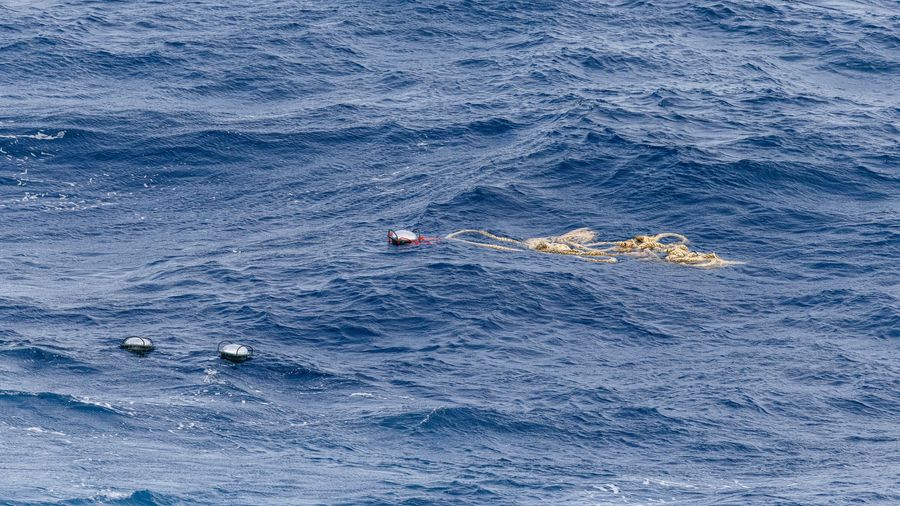
The challenge withÌýghostÌýnetsÌýis, unlike hard plastic such as crates and buoys, their center of mass tends to sit below the water surface, and their coloring is often close to that of the sea around them, making them all the more difficult to detect in a background of blue that is constantly in motion. Nevertheless, our keen collective eye paid off, and we tagged 10 nets along our route as we deployed freely floating drifters in the previously uncoveredÌýportionÌýof the patch.ÌýÌý
Continuous Data-CollectionÌý
FiveÌýmonths onÌýfrom our Pacific Data Expedition, our drifters are still happily sending us updates on their journey through the patch. These updates, aggregated over time, are helping to paint a picture of how floating plastic, affected by larger and smaller-scale physical processes in the ocean, collectively creates the accumulation zone of floating debris that we are cleaning up.ÌýÌý
Similar to the processes affecting our drifters, the benefits we gain from such deployments range from global to local; by cross-validating existing models with field data, we are contributing to the understanding ofÌýhow the gyre changes and moves over timeÌýand by linking each individual drifter to the smaller-scale currents and wind patterns that propel them, we can recognize patterns in drifter behavior as a result of these processes.ÌýÌý
Not only will this continuous collection show us the boundaries of the Garbage Patch, but it will show us howÌýindividualÌýdebris collects on a scale that is more reasonable to clean up.Ìý